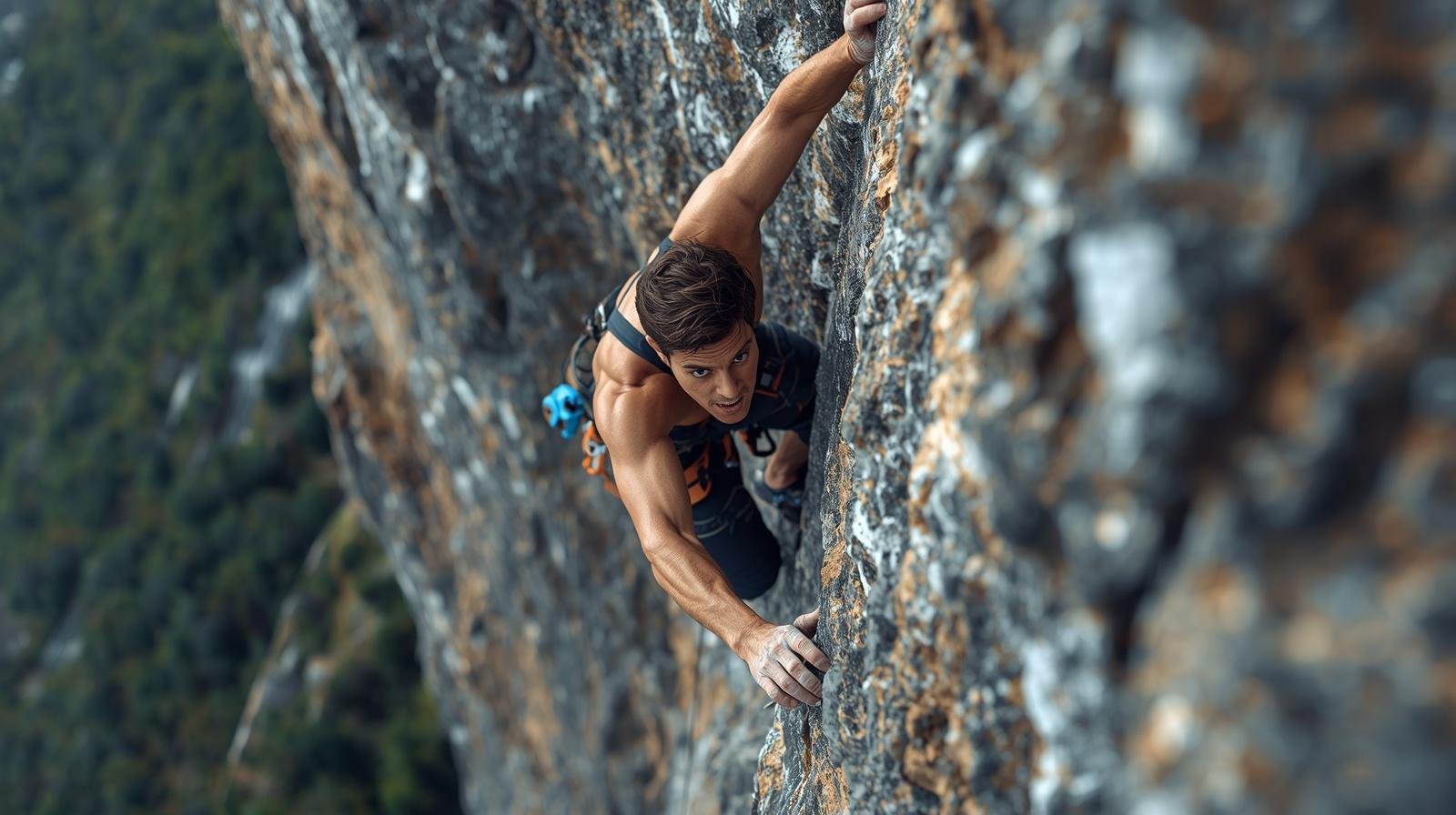
Introduction Adventure sports involve activities that require movement, control, and interaction with natural or challenging environments. These sports differ from routine physical activity because they involve conditions that test both the body and the mind. Participants engage in activities such as climbing, rafting, diving, and similar forms of movement that…
-
-
Eco-Tourism Preserves Nature for Future Generations
Introduction Travel often involves visiting natural environments such as forests, mountains, rivers, and coastal areas. These environments support ecosystems that include plants, animals, and natural resources. Eco-tourism focuses on visiting these areas in a way that supports conservation and reduces impact. Eco-tourism connects travel with environmental responsibility. It allows people…
-
Cultural Tourism Fosters Global Understanding and Exchange
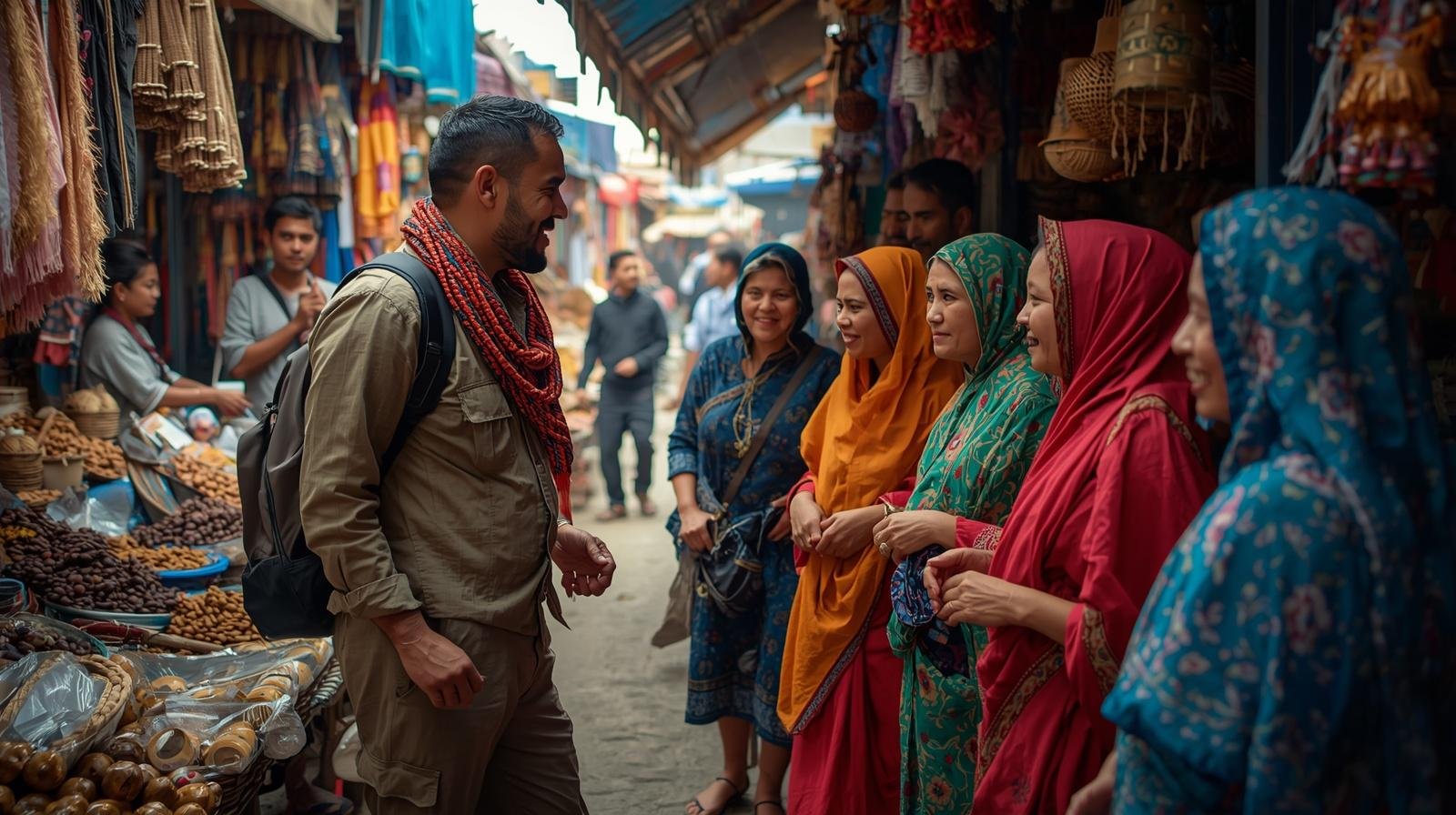
Introduction Travel connects people across regions, languages, and traditions. One form of travel focuses on learning about cultures. Cultural tourism involves visiting places to understand ways of life, customs, and heritage. This type of tourism allows individuals to observe and engage with traditions that differ from their own. It creates…
-
Adventure Travel Explores the World’s Wonders
Introduction Travel allows people to move beyond familiar surroundings and experience new places. Among different forms of travel, adventure travel focuses on exploration, movement, and interaction with the environment. It involves journeys that include physical activity, exposure to nature, and engagement with unfamiliar settings. Adventure travel connects people with landscapes,…
-
Proper Rest and Recovery Prevent Injuries
Introduction Physical activity places demand on the body. Muscles contract, joints move, and energy systems work to support movement. While exercise is important for health and performance, rest and recovery are equally important. Rest and recovery allow the body to repair and restore itself after activity. Without proper recovery, the…
-
Sportsmanship Encourages Teamwork and Personal Growth
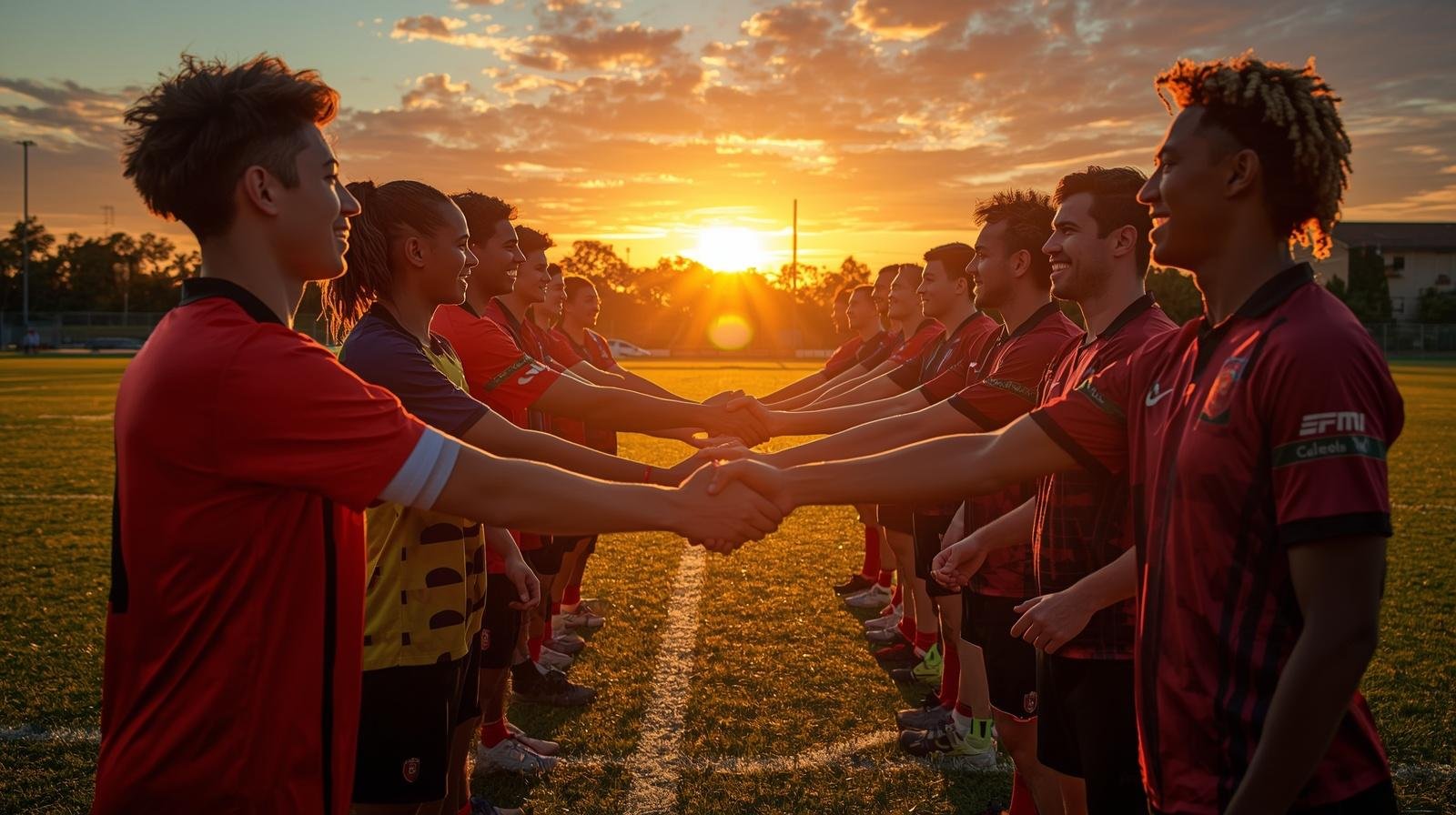
Introduction Sports involve more than physical activity. They include interaction, rules, and shared goals. One important element in sports is sportsmanship. Sportsmanship refers to behavior, respect, and conduct during participation. It affects how individuals interact with teammates, opponents, and officials. It also influences personal development. Through sportsmanship, individuals learn values…
-
Regular Exercise Improves Cardiovascular Health
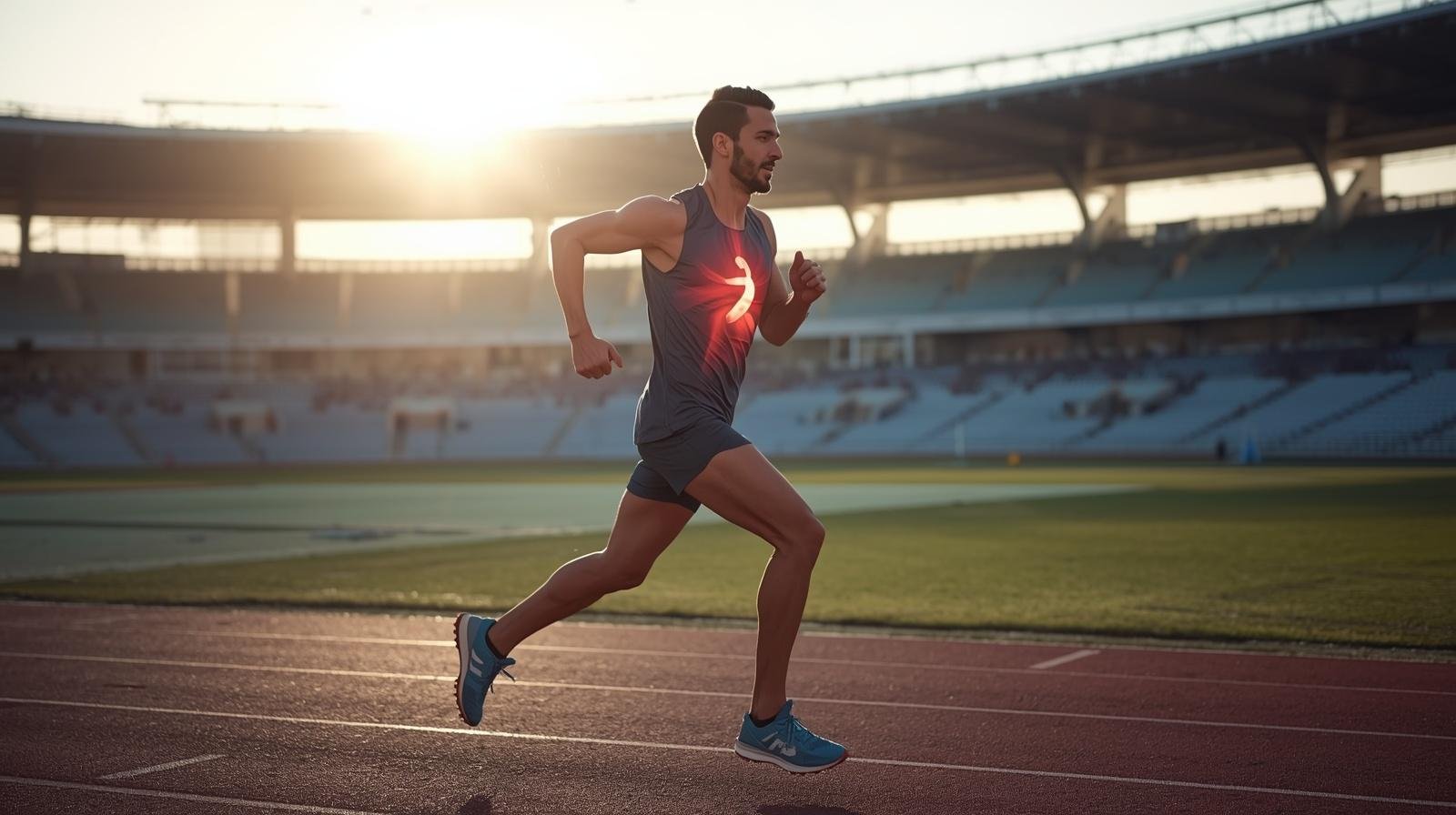
Introduction The human body depends on the heart and blood vessels to transport oxygen and nutrients. This system is known as the cardiovascular system. It includes the heart, arteries, veins, and capillaries. These components work together to maintain circulation. Regular exercise plays a direct role in supporting this system. When…
-
Strength Training Builds Muscle and Endurance
Introduction The human body depends on muscles for movement, stability, and daily activity. Muscles support posture, protect joints, and allow the body to perform tasks. Strength training is a form of physical activity that focuses on improving muscle function. Strength training involves resistance. This resistance can come from body weight,…
-
Balanced Diet Promotes Long-Term Well-Being
Introduction Food provides the body with the resources needed for survival and function. Every system in the body depends on nutrients that come from daily intake. A balanced diet refers to the consumption of different types of nutrients in proper amounts. Long-term well-being depends on consistent intake of these nutrients.…
-
Mindfulness Reduces Stress and Anxiety
Introduction Human life involves constant activity in both mind and body. Thoughts, emotions, and reactions occur throughout the day. In many cases, stress and anxiety develop when the mind focuses on past events or future outcomes. Mindfulness offers a method to manage this process. Mindfulness refers to awareness of the…